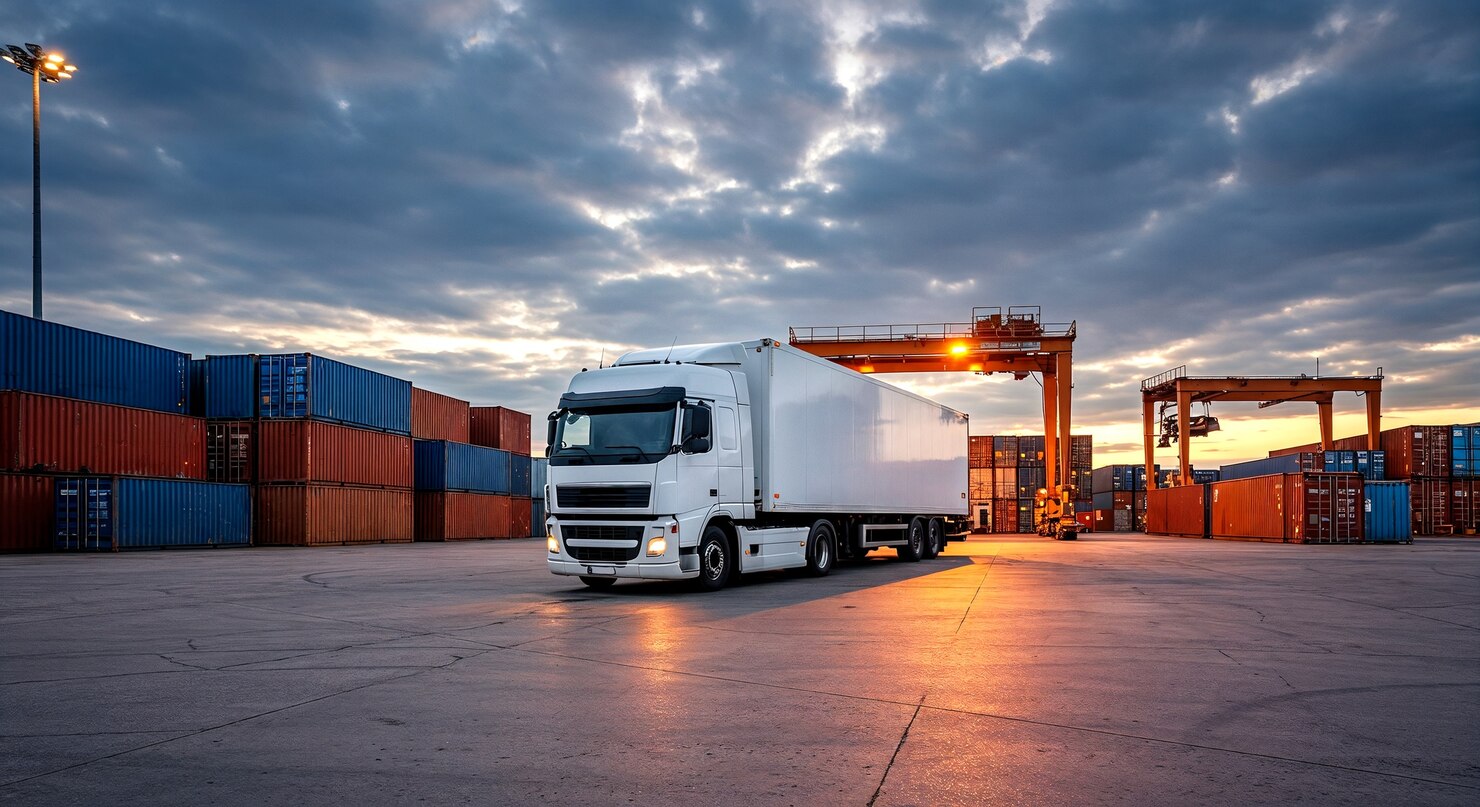
In international trade, most shipment delays don’t happen on the road, at sea, or in the air—they happen at customs.
For many businesses, customs clearance is often treated as a paperwork formality, something to be “handled at the last moment.” In reality, customs clearance is one of the most critical and risk-sensitive stages of global logistics. A single documentation error, misclassification, or compliance gap can delay shipments for days—or even weeks—leading to missed deliveries, financial losses, and damaged customer trust.
Understanding the role of customs clearance is essential for any business involved in cross-border trade. When done right, it keeps supply chains moving smoothly. When done poorly, it becomes one of the most expensive bottlenecks in international operations.
What Is Customs Clearance—and Why It Matters So Much
Customs clearance is the process of ensuring that goods entering or exiting a country comply with all regulatory, legal, and documentation requirements imposed by customs authorities.
This process typically includes:
- Submission of required commercial documents
- Accurate declaration of cargo value and description
- HS code classification
- Payment of applicable duties and taxes
- Regulatory approvals, where required
Customs authorities are responsible for controlling what enters a country, protecting domestic industries, collecting revenue, and ensuring security. As a result, even minor errors can trigger inspections, queries, or holds.
For businesses, customs clearance is where logistics intersects with law, finance, and compliance.
Common Customs Clearance Issues That Cause Costly Delays
Many shipment delays are completely preventable. They occur not because of bad luck, but because of gaps in planning or understanding.
Some of the most common customs-related pain points include:
Incorrect or Incomplete Documentation
Missing invoices, inconsistent packing lists, or incorrect consignee details are among the top reasons for shipment holds. Customs authorities require precise, consistent documentation.
Wrong HS Code Classification
HS codes determine duties, taxes, and regulatory requirements. Incorrect classification can result in overpayment, underpayment, penalties, or shipment detention.
Undervaluation or Overvaluation of Cargo
Declaring incorrect cargo value—intentionally or unintentionally—raises red flags for customs officials and can trigger audits or inspections.
Non-Compliance With Import Regulations
Certain products require licenses, certificates, or special approvals. Missing these documents can bring cargo movement to a standstill.
These issues not only delay shipments but also disrupt inventory planning, production schedules, and customer commitments.
The Real Cost of Customs Delays
Customs delays rarely affect only one shipment. Their impact often extends across the entire supply chain.
The hidden costs include:
- Storage and demurrage charges at ports or airports
- Production downtime due to delayed raw materials
- Missed sales opportunities
- Penalties and fines
- Reputational damage with customers and partners
For growing businesses, repeated customs delays can quickly erode profitability and limit the ability to scale internationally.
Why Compliance Is the Foundation of Smooth Customs Clearance
Compliance is not about reacting when customs raises a query—it’s about preparing correctly before cargo moves.
Effective customs compliance begins well before shipment departure, with:
- Correct product classification
- Country-specific regulatory checks
- Accurate valuation and documentation
- Alignment with trade agreements, where applicable
Experienced logistics partners integrate compliance into the planning phase rather than treating it as a final checkpoint. This proactive approach significantly reduces the likelihood of clearance delays.
Customs Clearance Is Not the Same Across All Countries
One of the biggest misconceptions in international trade is assuming customs processes are standard everywhere.
In reality:
- Documentation requirements vary by country
- Duty structures and tax rules differ widely
- Certain commodities face stricter scrutiny
- Regulatory enforcement levels are not uniform
A process that works smoothly in one country may cause delays in another. This is why global trade requires localized compliance knowledge, not just generic documentation.
Businesses expanding into new markets often underestimate this complexity—and pay for it later.
The Role of a Knowledgeable Logistics Partner
A reliable logistics partner plays a critical role in preventing customs-related disruptions.
An experienced partner helps businesses by:
- Advising on correct HS classification
- Reviewing documentation before submission
- Coordinating with customs authorities
- Managing duty and tax calculations
- Identifying compliance risks early
Instead of reacting to problems, they focus on prevention—saving time, cost, and operational stress.
This expertise becomes especially valuable when handling specialized cargo such as perishable goods, industrial equipment, or hazardous materials, where compliance requirements are stricter.
Real-World Example: Prevention vs Reaction
Consider two businesses shipping similar goods internationally.
The first treats customs as an afterthought. Documentation is prepared hastily, and HS codes are reused from previous shipments without verification. The shipment gets flagged for inspection, remains at port for a week, and incurs storage charges.
The second works with a logistics partner who reviews compliance requirements before shipment. Documentation is double-checked, regulatory approvals are secured in advance, and cargo clears customs smoothly within hours.
The difference isn’t luck—it’s preparation.
Integrating Customs Clearance With the Larger Supply Chain
Customs clearance should never operate in isolation. It must be integrated with freight forwarding, warehousing, and last-mile delivery planning.
When customs is aligned with the broader supply chain:
- Delivery timelines become more predictable
- Inventory planning improves
- Customer communication is clearer
- Operational surprises are minimized
This integration is what allows businesses to scale confidently without constant firefighting.
Conclusion: Customs Clearance Is a Strategic Advantage—If Done Right
In international trade, customs clearance is not just a checkpoint—it’s a control gate for business continuity.
Companies that understand its importance and invest in compliance-focused logistics strategies experience fewer delays, lower costs, and stronger reliability. Those that ignore it often learn the hard way.
The role of customs clearance goes far beyond paperwork. It protects revenue, preserves timelines, and enables global growth without disruption.
In a competitive global market, the businesses that move fastest are not the ones that rush—but the ones that clear customs right the first time.




Leave a comment